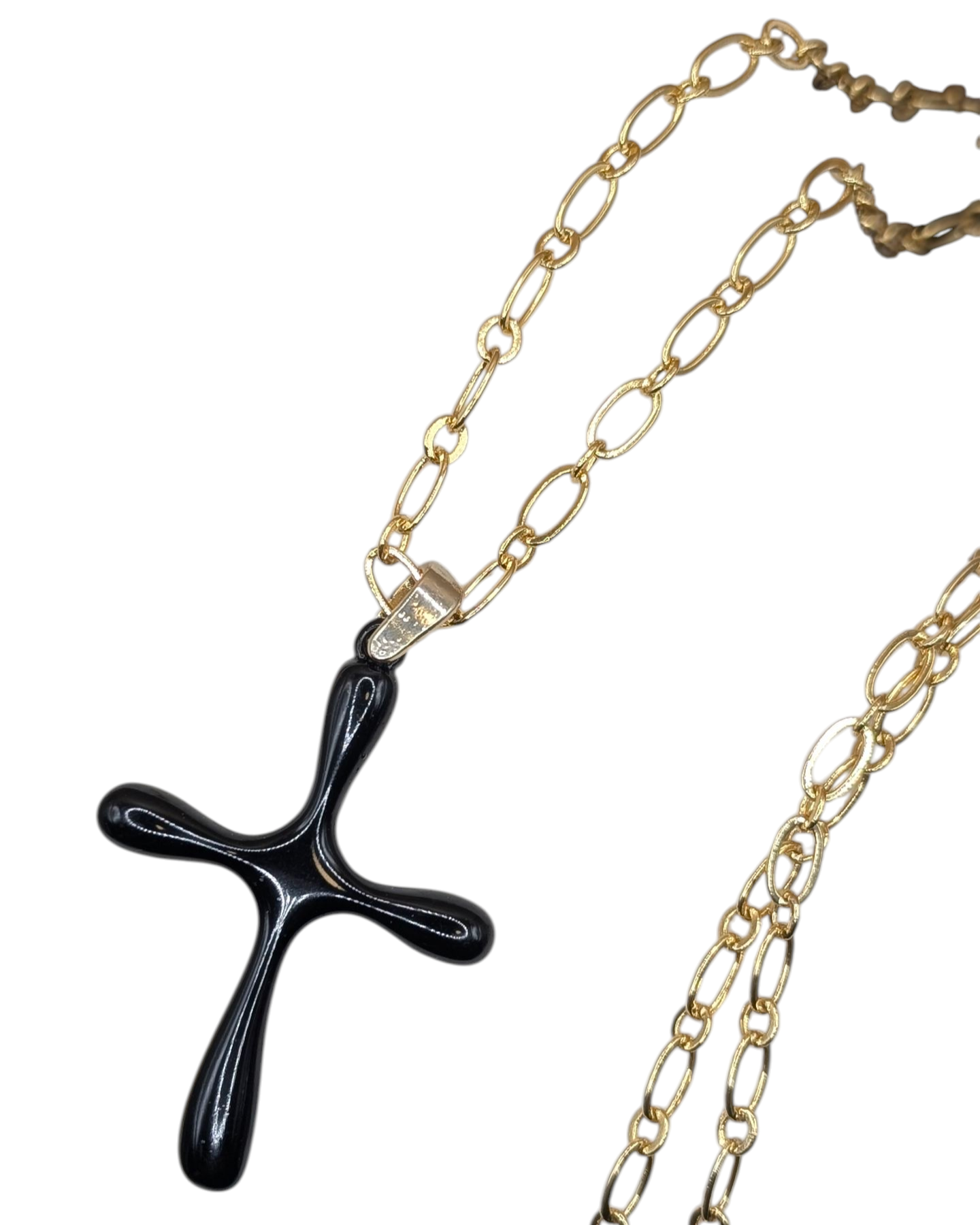
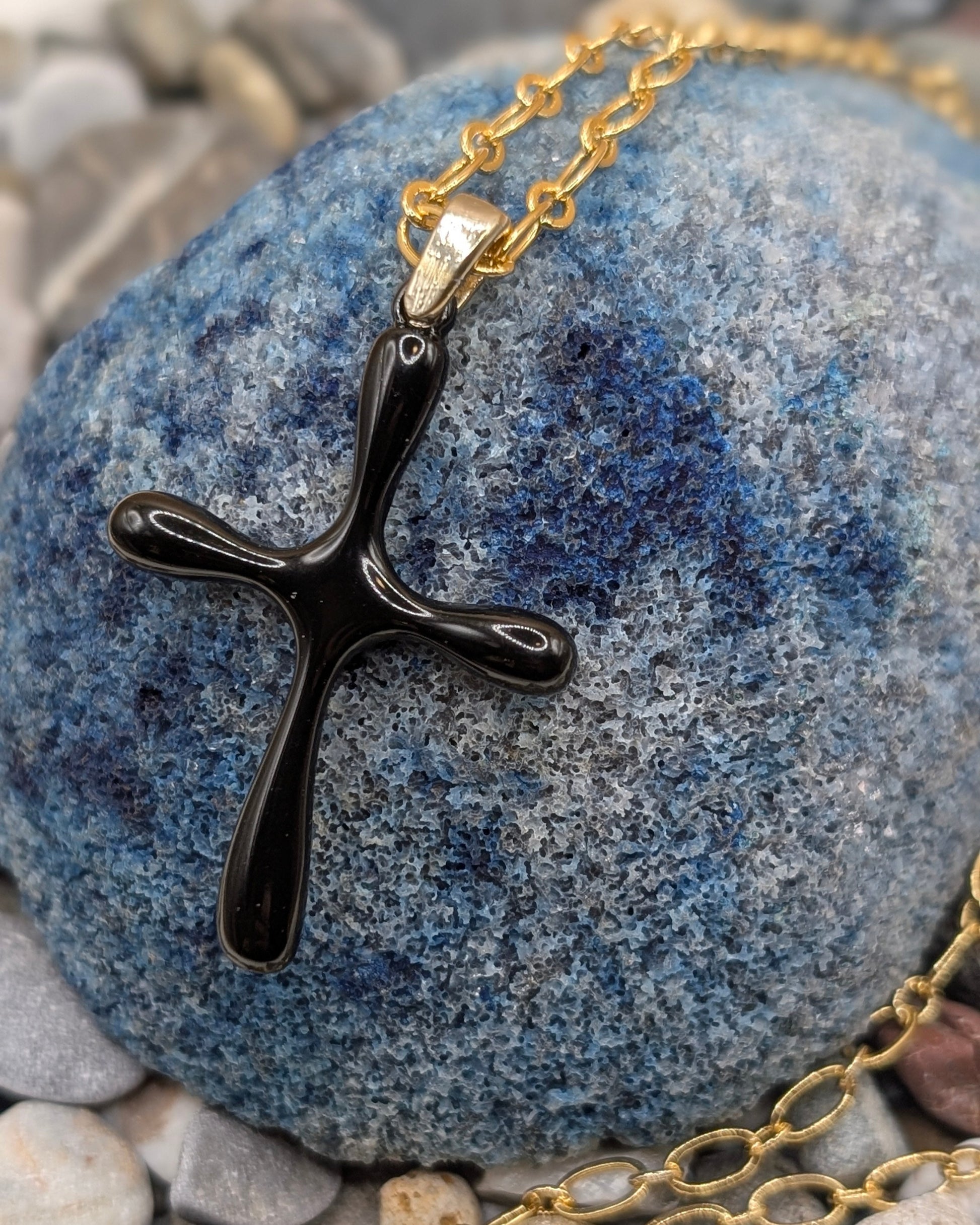
Layering jewellery is not about wearing more. It’s about wearing with intention. When done well, a stacked wrist or a nested necklace arrangement says more than a single piece ever could.
The art of layering has occupied the pages of Vogue, Harper’s Bazaar and the runways of Bottega Veneta and Celine for seasons now - but it is a skill that predates fashion entirely. Ancient cultures layered amulets, beads and bangles for protection, status and beauty all at once. Today, the motivation is the same in spirit: to express, to adorn, and to feel complete.
This guide covers everything you need to know about layering jewellery thoughtfully: from how to stack necklaces at different lengths, to building a bracelet arm that doesn’t feel cluttered, to mixing ring styles across your fingers. We’ve paired each section with specific Sifonios pieces designed to work beautifully together.
Why Layering Works: The Visual Language of Jewellery
Layering creates what stylists call “visual rhythm” a movement from one piece to the next that draws the eye in a pleasing, deliberate way. Rather than one focal point, layered jewellery creates a composition. Like music, it needs variation: high and low, loud and quiet, bold and delicate.
The key principle is contrast. Pair fine chains with chunky pendants. Alternate smooth textures with hammered finishes. Mix quiet metal with a single coloured stone. This is not contradiction; it is harmony through difference.
“The most elegant women I know wear three things at once and never once seem overdressed.”
Part One: Layering Necklaces
The Rule of Lengths
The foundation of a good necklace stack is length variation. Each chain or pendant should sit at a visibly different level on the chest — typically 2 to 4 centimetres apart. The classic combination runs as follows:
- Choker / 14–16 inches: Sits high on the collarbone. Best in delicate chain or with a small pendant.
- Princess / 17–19 inches: The mid-layer. Works beautifully with a medallion or simple geometric pendant.
- Matinee / 20–24 inches: The lower anchor. This is where a statement pendant or beaded piece creates its full effect.
The goal is to ensure each piece occupies its own visual space without tangling or competing. If your necklaces are similar in length, an adjustable extender chain will solve the problem immediately.
Mixing Styles Without Mixing Signals
Successful necklace layering means each piece earns its place. Choose one piece as your ‘hero’ — the piece your eye goes to first — and let the others support it quietly. A striking gold medallion, for instance, anchors everything above it. A delicate chain below would compete; a fine chain above, perhaps with a subtle stone, serves.
Celestial Gold Medallion Necklace — €950
An exceptional centrepiece for any necklace stack. The hand-detailed gold medallion carries weight and presence, while the proportions allow it to sit gracefully at mid-chest without overwhelming. Layer it with a fine gold chain at the collarbone for a composition that feels both ancient and modern.
Shop the MedallionPearl Necklace with Gold Accent — €185
The ideal companion piece. Pearls soften a bold lower layer, bringing luminosity and contrast without competing for attention. This piece works particularly well when worn as the uppermost layer against the collarbone.
Shop NowRed Coral Beaded Necklace — €760
For a bolder, more Mediterranean stack: this vibrant piece works as the lowest layer, its coral tones warming the entire composition. Pair above with fine gold chains only — let the coral do the work.
Shop NowPart Two: Stacking Bracelets
Building Your Arm Composition
A well-stacked wrist is one of the most personal expressions of style there is. Unlike necklaces, bracelets move — they clink, they slide, they layer in real time. This is part of their pleasure.
The principles mirror those of necklace layering: vary your textures, vary your weights, and choose one anchor piece. In bracelet terms, the anchor is usually a cuff — a structured piece that sits still while chains and beaded styles move around it.
Cuff + Chain + Bead: The Classic Trio
The most versatile bracelet stack pairs:
- One cuff bracelet (structured, solid, your anchor)
- One or two chain bracelets (delicate, fluid, supporting)
- One beaded or organic piece for texture and warmth
Silver Cable Cuff Bracelet — €385
The definitive anchor piece. This sterling silver cuff’s cable texture adds visual interest while its structural weight grounds any stack. Wear alone for understated elegance, or stack with fine chain bracelets for a more editorial look.
Shop the CuffHammered Silver Ball Bracelet — €185
A tactile, artisanal piece that brings dimension to any wrist stack. The hammered finish catches the light differently with every movement. Pair with the silver cuff on the same wrist for a tonal monochrome stack, or mix onto a gold-leaning arm for intentional contrast.
Shop NowGold-Tone Steel Rope Chain Bracelet — €25
Slim, refined, and effortlessly stackable. This golden rope chain adds warmth to a silver-dominant stack and works equally well as part of an all-gold layered wrist. An accessible piece that photographs beautifully.
Shop NowPart Three: Stacking Rings
Across One Hand or Across All Fingers?
Ring stacking has two schools: the focused stack (multiple rings on one or two fingers) and the spread (one ring per finger, each carefully chosen). Both have their season. Right now, as the fashion editors at Vogue Italia have noted, the more maximalist spread is having its cultural moment — but it is the focused stack that remains eternally elegant.
The Focused Stack
On a single finger, wear rings in ascending size from base to tip — broadest at the base, most delicate at the top. A statement stone ring at the base, a plain band in the middle, and a fine stacking ring near the top creates a composition that reads as intentional, not accidental.
Ametrine Crystal Statement Ring — €98
Ametrine — the naturally bicolour gemstone that blends amethyst purple with citrine gold — makes this ring an ideal base piece for a ring stack. The crystal catches light dramatically and provides a natural colour anchor for any rings worn above it.
Shop NowWide Silver Band Ring with Larimar Gemstones — €59
The wide band makes it naturally resistant to stacking above it — this ring is best worn on its own finger, surrounded by more delicate pieces on adjacent fingers. The sky-blue larimar creates a cool, calming focal point within any ring composition.
Shop NowPearlescent Orbit Statement Ring — €43
A versatile ring with sculptural presence. Its pearlescent surface reflects light softly, and its rounded form sits beautifully between bolder pieces in a multi-ring composition.
Shop NowThe Golden Rules of Layering: A Quick Reference
- Choose one hero piece per category. One necklace leads, others support. One bracelet anchors, others move. One ring dominates, others defer.
- Vary your textures. Smooth chain beside hammered metal. Polished stone beside brushed gold. Contrast is what makes layering look purposeful.
- You don’t have to match metals. Mixed metals are an accepted and often beautiful choice. The key is to do it intentionally — don’t mix by accident; mix by design.
- Keep one area simple. If your wrist stack is maximalist, keep your neck minimal. If you’re layering necklaces, let your ears carry a simple stud. Balance is the whole point.
- Comfort matters. A stack that makes noise every time you move, catches on everything and weighs you down is not elegant — it’s distracting. Fine jewellery should feel like a second skin.
A Note on Care When Layering
Layering does create more friction between pieces, which means more attention to care. Store layered chains separately to prevent tangling and scratching. Polish pieces after frequent wearing, particularly beaded or softer stone pieces. Our full jewellery care guide covers everything you need to keep each piece looking its best.
At Sifonios, every piece in our collection has been chosen with the knowledge that it will be worn — not displayed. Our jewellery is made to move with you, to be part of a stack, to accumulate meaning over time. We have been selecting pieces this way since 1935, when Nikolaos Sifonios began his work in Kos. The tradition of intentional beauty endures.